Branches Shaped to Highlight Natural Structure
Tree Trimming & Tree Pruning in Monticello and surrounding areas for trees that have lost their natural form or developed unbalanced growth
Lorentz Tree Service LLC provides tree trimming and tree pruning in Monticello with a focus on what arborists call "beautifying the tree"—the practice of carefully trimming a tree to highlight its natural beauty, structure, and unique characteristics. When branches grow unevenly, crossing limbs create weight imbalances, or deadwood accumulates in the canopy, the tree's original form becomes obscured. Crown reduction, selective branch removal, and deadwood removal work together to restore the visual and structural integrity that makes each species recognizable in the landscape.
The process involves evaluating the tree's natural growth pattern, identifying which branches interfere with its structure, and removing wood that detracts from its health or appearance. Crown reduction reduces overall canopy size while maintaining the tree's shape, branch removal eliminates crossing or competing limbs, and deadwood removal clears out brittle, non-living wood that poses risk during storms. Each cut is made at specific angles and locations to promote proper wound closure and prevent decay from entering the trunk.
Schedule a property evaluation to assess which trees would benefit from structural trimming or crown work.
What Proper Pruning Accomplishes for Tree Health
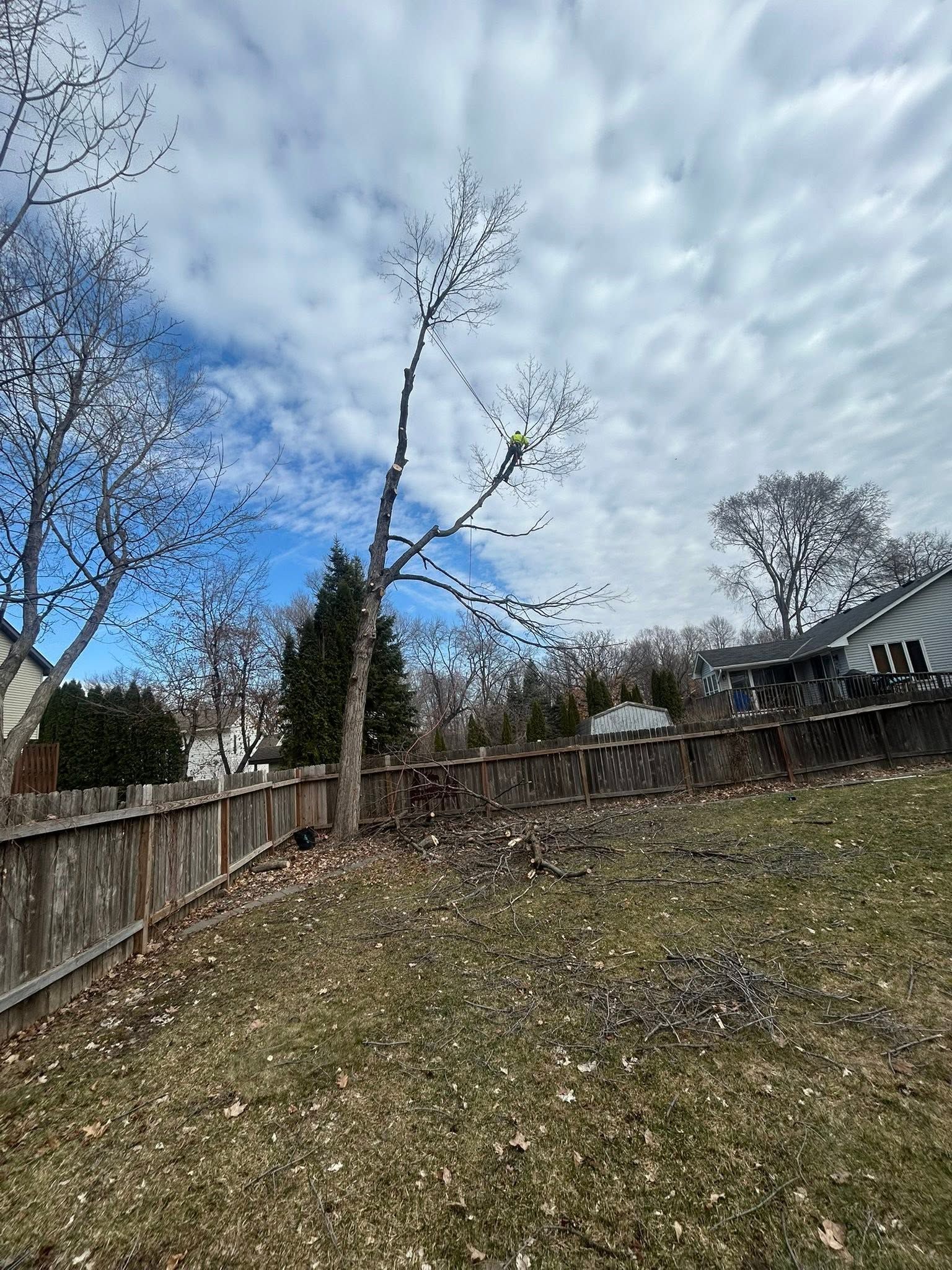
When trimming is done correctly, you remove only the branches that compete for light, cross at weak angles, or no longer contribute to the tree's canopy. Each cut is positioned just outside the branch collar—the swollen area where the branch meets the trunk—so the tree can compartmentalize the wound and seal it naturally. Cuts made too close to the trunk or too far from the collar leave wounds that invite rot, while cuts that respect the tree's natural defense zones heal cleanly and maintain structural strength over time.
After the work is complete, you'll notice the tree's shape becomes more defined, with a balanced canopy that allows light to reach interior branches. Deadwood no longer rattles in the wind or hangs precariously over structures, and crossing branches that once rubbed bark raw are separated or removed entirely. The tree's natural growth habit—whether upright, spreading, or weeping—becomes visible again, and the canopy appears fuller because energy is no longer wasted on damaged or poorly positioned limbs.
Crown reduction is often combined with selective branch removal to address both size and structure in one service visit. The extent of trimming depends on the tree's species, age, and current condition, with some trees requiring only minor adjustments to restore balance while others need more significant reshaping to correct years of neglected growth. Timing also matters—most deciduous trees respond best to pruning during dormancy, while certain species tolerate trimming during active growth if storm damage or safety concerns require immediate attention.
Questions About Tree Trimming and Pruning
Tree owners in Monticello often ask about the difference between trimming for appearance and pruning for health, and how each approach affects long-term tree structure.
What does beautifying the tree actually mean?
Beautifying refers to trimming that highlights the tree's natural growth pattern and unique characteristics by removing branches that obscure its structure, create visual imbalance, or detract from its form. The goal is to make the tree look like a healthier, more refined version of itself rather than imposing an artificial shape.
How does crown reduction differ from general trimming?
Crown reduction specifically reduces the overall height or spread of the canopy by cutting back branches to lateral limbs, which maintains the tree's natural shape while making it smaller. General trimming may focus on thinning, deadwood removal, or selective branch cuts without reducing the tree's overall size.
When should deadwood be removed from a tree?
Deadwood should be removed when it poses a risk to people, structures, or vehicles below, or when it compromises the tree's appearance in a maintained landscape. Dead branches don't heal or regrow, so removing them prevents decay from spreading into healthy wood and eliminates hazards during windstorms.
Why do some trees need trimming more often than others?
Growth rate, species characteristics, and site conditions all affect trimming frequency. Fast-growing trees like maples and willows produce more new growth annually and may need trimming every few years, while slow-growing oaks or conifers can go much longer between service visits if their structure remains sound.
What happens if crossing branches aren't removed?
Crossing branches rub against each other as they move in the wind, wearing away bark and creating wounds that expose the inner wood to insects, disease, and decay. Over time, one or both branches weaken at the point of contact, increasing the likelihood of breakage during storms or under the weight of snow and ice.
Lorentz Tree Service LLC evaluates each tree individually to determine which combination of crown reduction, branch removal, and deadwood clearing will restore its natural form. Request a consultation to review which trees on your property would benefit from structural or aesthetic trimming.