
Stumps Ground Below Grade for Replanting
Stump Grinding & Stump Removal in Monticello and surrounding areas for properties with remnants obstructing landscaping, mowing, or construction plans
Stumps remain after tree removal, occupying space and sprouting new growth from surviving roots. Lorentz Tree Service LLC provides stump grinding and stump removal in Monticello to eliminate these remnants and restore usable yard space. Grinding reduces stumps to wood chips several inches below soil level, while full removal extracts the root ball when construction or replanting requires complete clearance.
Grinding uses rotating carbide teeth that chip away wood progressively, lowering the stump below grade so grass or ground cover can establish over the area. Root removal becomes necessary when lateral roots interfere with hardscaping, utility trenches, or new tree planting locations. Post-removal cleanup collects grindings and fills depressions with soil, leaving the site level and ready for seeding or sod installation.
Request a detailed estimate based on stump diameter, root spread, and whether yard restoration is needed immediately following grinding.
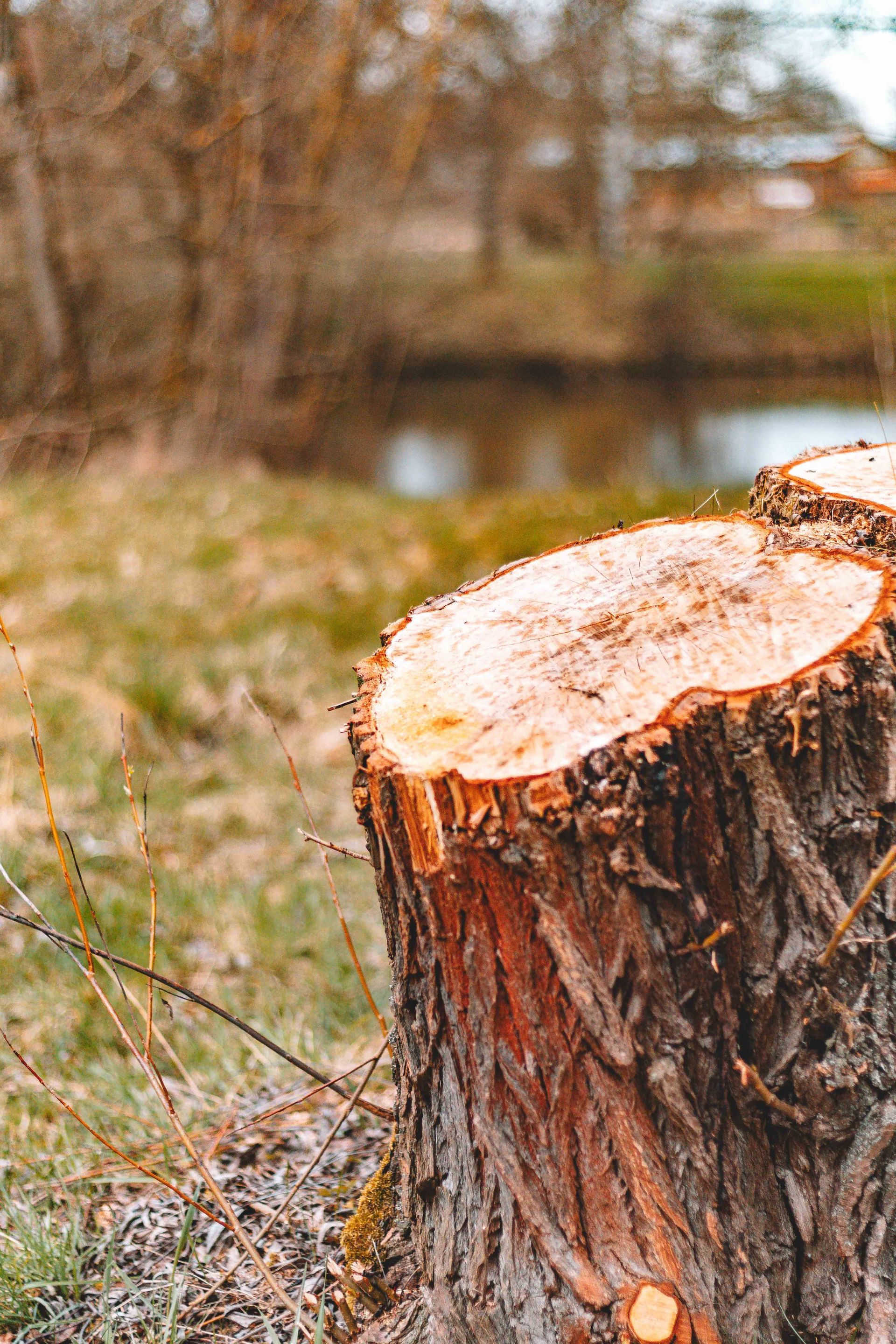
What Changes After Stump Grinding Completes
Stump grinding creates a cavity filled with wood chips, which decompose over several months and settle below the surrounding grade. Grinding depth typically reaches six to twelve inches below soil level, sufficient for lawn establishment but not always adequate for planting trees in the same location without additional root extraction. The grinding process severs surface roots within a radius matching the stump's original diameter, stopping sucker growth in most hardwood species.
After grinding, your yard no longer has protruding stumps that damage mower blades or create tripping hazards. The area integrates with surrounding lawn once grindings decompose and soil settles, usually within one growing season. You can replant ornamentals or shrubs immediately after grinding, though new trees require deeper root removal to prevent contact with decomposing wood that harbors fungi and limits nutrient availability.
Yard restoration includes filling depressions with topsoil and grading to match existing lawn elevation. Some properties require root removal beyond the stump itself when trees grew near sidewalks, driveways, or building foundations, as lateral roots can extend two to three times the canopy radius. Grinding does not remove these outlying roots, which continue decomposing underground but may surface as soil erodes or settles during freeze-thaw cycles common in Monticello winters.
Answers to Frequent Service Questions
Stump grinding and removal decisions factor in how you plan to use the cleared space, whether roots interfere with subsurface obstacles, and seasonal conditions affecting equipment access.
What determines whether grinding or full removal is necessary?
Grinding suffices for lawn restoration and surface-level clearance, while full removal is required when building foundations, utility lines, or new tree planting must occupy the exact location without encountering decomposing root mass.
How deep does stump grinding reach below ground level?
Grinding typically extends eight to twelve inches below grade, enough to allow grass roots to establish but shallow compared to the depth needed for new tree planting, which may require removing the central taproot and lateral anchor roots.
What happens to the wood chips produced during grinding?
Grindings are left on-site to fill the cavity unless removal is requested, and they decompose over six to eighteen months depending on wood species and moisture levels, eventually integrating with the surrounding soil as organic matter.
When is the best time to schedule stump grinding after tree removal?
Grinding can occur immediately after removal or delayed until spring when ground conditions allow equipment access without rutting lawns, though winter grinding is possible when frozen ground supports machinery weight.
Why do some stumps sprout new growth after grinding?
Grinding removes the visible stump but leaves living root tissue underground, and species like maple, elm, and willow produce suckers from these roots, requiring herbicide treatment or repeated cutting to exhaust stored energy reserves.
Lorentz Tree Service LLC evaluates stump size, root spread, and site access to determine the most efficient removal method for your property. Schedule an evaluation to review which approach clears the area for your intended landscaping or construction plans.